 812-213-4551
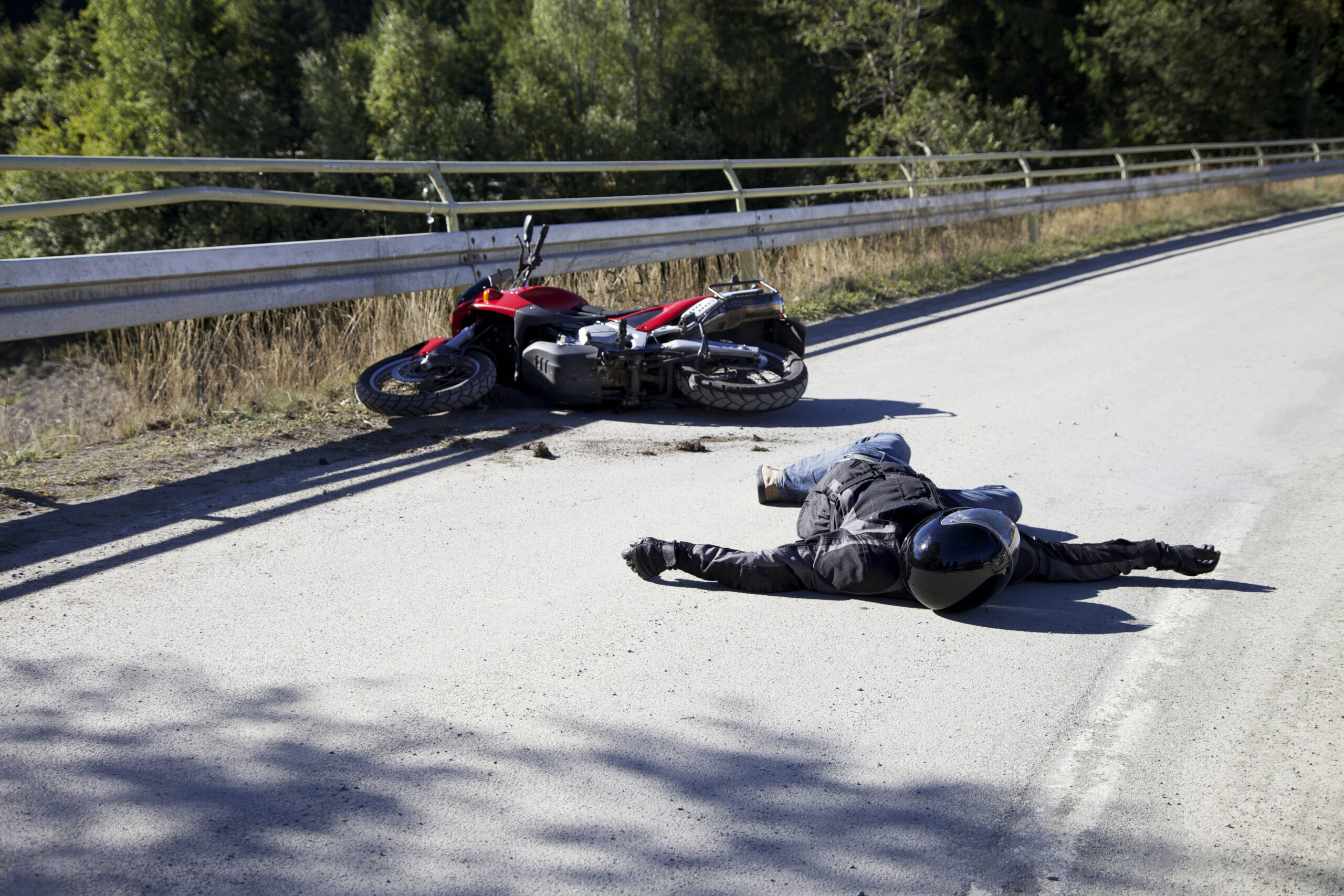
Motorcyclists face risks that most drivers never think about. A pothole that barely jostles a car can send a rider to the pavement. A patch of loose gravel, an unmarked construction zone, or a rusted drainage grate can cause a crash in an instant. If a road hazard caused your accident in Evansville or Owensboro, you may have a valid legal claim, and the steps you take in the hours and days following the crash can make or break it.
What Counts as a Road Hazard?
Road hazards are dangerous conditions on public or private roadways that create unreasonable risk for motorcyclists, including potholes, debris, and poor signage.
Not every imperfect road gives rise to a claim, but many dangerous conditions do. Common road hazards that lead to motorcycle accidents include:
- Potholes and pavement cracks
- Loose gravel, sand, or construction debris
- Missing or raised manhole covers
- Unmarked lane changes or missing signage
- Defective guardrails or shoulder drop-offs
In Indiana and Kentucky, government entities have a legal duty to maintain safe roads. Under Indiana Code 34-13-3 (the Indiana Tort Claims Act), injured riders can bring claims against the state or a local government for negligent road maintenance, but specific notice requirements and filing deadlines apply. Kentucky law provides procedures for negligence claims against the Commonwealth and certain state agencies through the Kentucky Board of Claims system, although the applicable rules depend on the governmental entity involved.
Who Is Legally Responsible?
Liability depends on who controlled the road. Government agencies, contractors, and property owners can all be responsible for hazardous road conditions.
Road hazard cases are different from typical car accident claims because the at-fault party is often a government agency or a private contractor, not another driver. Identifying the right defendant matters enormously because the rules differ depending on who you are suing.
Possible liable parties include:
- City or county governments responsible for road maintenance
- INDOT or KYTC for state-maintained highways
- Construction companies that created or failed to mark hazards
- Property owners whose negligence caused debris or runoff onto the roadway
In the Evansville area, roads may fall under the jurisdiction of the City of Evansville, Vanderburgh County, or the Indiana Department of Transportation. In Owensboro, roads may be maintained by the City of Owensboro, Daviess County, or the Kentucky Transportation Cabinet. Knowing which agency is responsible is not always straightforward, and getting it wrong can cost you your claim.
Why Government Claims Have Strict Deadlines
Claims against government entities often involve special notice requirements, shorter deadlines, and procedural rules that do not apply in ordinary injury cases.
This is where road hazard cases get complicated fast. Indiana’s Tort Claims Act requires that claimants file a notice of tort claim with the appropriate government entity before filing a lawsuit. For claims against a city or county, Indiana Code 34-13-3-8 generally requires this notice within 180 days of the loss. For claims against the state, the deadline is 270 days.
Kentucky law imposes various procedural requirements, defenses, and immunity doctrines that may affect claims against state and local governmental entities, depending on the specific agency involved.
Missing these deadlines means you likely cannot recover anything, regardless of how serious your injuries are. These timelines are far shorter than the standard statute of limitations, which is why acting quickly is so critical after a road hazard crash.
Immediate Steps to Protect Your Claim
Document the scene, seek medical care, and report the hazard. Every action you take in the first 48 hours strengthens your legal position.
The actions you take after a crash can directly affect whether you recover compensation. Here is what to do:
Get medical attention first. Even if you feel able to walk away, adrenaline masks pain. Delayed treatment creates gaps that insurers use to challenge your claim.
Document the hazard thoroughly. Take photos and video of the road condition from multiple angles before it gets repaired. Capture skid marks, debris, and your damaged motorcycle. If you cannot do this yourself, ask someone at the scene to help.
Report the accident. File a police report and, where applicable, notify the city or county public works department about the hazard. This creates an official record and may reveal whether the government entity already had prior notice of the problem.
Gather witness information. Anyone who saw the crash or knew about the road condition beforehand can provide valuable testimony.
Preserve your gear and motorcycle. Do not repair your bike or discard your helmet and riding gear. These are physical evidence.
How Insurance Companies Handle Road Hazard Claims
Insurers look for any reason to shift blame onto the rider. Without documentation and legal support, they often succeed.
Insurance adjusters may argue that you were speeding, that the hazard was obvious, or that you assumed the risk by riding a motorcycle. These defenses are aggressive and often unfair. Government entities and their insurers routinely deny or undervalue road hazard claims, knowing that many injured riders do not understand the notice requirements or the legal process.
Do not give a recorded statement to any insurance company before speaking with an attorney. Anything you say can be used to reduce or eliminate your payout.
How Gerling Law Injury Attorneys Can Help
Road hazard claims require fast action, precise legal filings, and the willingness to take on government agencies and their insurers. At Gerling Law Injury Attorneys, we fight for injured riders in Evansville and Owensboro who have been harmed by dangerous road conditions. We know the local courts, the applicable deadlines, and how to build a case that holds the right parties accountable.
If you were injured in a motorcycle accident caused by a road hazard, contact us before the notice deadline passes. Evansville riders can reach us at 812-213-4551. Owensboro riders can call 812-646-3277.